

South Korea satellites launch has successfully occurred with the fifth Nuri flight, deploying five small satellites into orbit. This achievement underscores the nation’s growing capabilities in space technology.
Overview of the Nuri Flight
South Korea’s recent Nuri flight marked a significant milestone in its space endeavors, successfully launching five small satellites into orbit. This fifth launch demonstrated the country’s growing capabilities in satellite technology and space exploration.
The Nuri rocket, designed to enhance South Korea’s satellite launch capabilities, showcased its reliability and precision during this mission. The lift-off occurred from the Naro Space Center, where engineers and scientists celebrated the achievement as a testament to their hard work and dedication.
Among the key highlights of this flight were:
- Successful deployment: All five satellites were deployed successfully, enhancing South Korea’s ability to monitor various environmental factors.
- Technological advancements: The Nuri rocket incorporates innovative technologies that streamline satellite launches.
- Future missions: This launch paves the way for more ambitious projects, including larger satellites and international collaborations.
The successful launch underscores South Korea’s commitment to advancing its capabilities in the field of space and satellite technology.
Significance of the Satellite Launch
The recent South Korea satellites launch marks a significant milestone in the nation’s space exploration efforts. With the successful deployment of five small satellites during the fifth Nuri flight, South Korea demonstrates its growing capabilities in space technology.
These satellites are set to enhance various sectors, including:
- Earth Observation: Providing crucial data for environmental monitoring and disaster management.
- Telecommunications: Improving connectivity and communication services across the region.
- Scientific Research: Contributing to advancements in space science and technology.
The South Korea satellites launch not only showcases the success of the Nuri rocket but also signifies the country’s commitment to becoming a key player in the global space race. As South Korea continues to invest in its space program, the implications for national security and economic growth are profound.
Future of South Korea in Space
The future of South Korea in space looks promising following the recent South Korea satellites launch, which successfully deployed five small satellites. This achievement not only underscores the nation’s growing capabilities in space technology but also enhances its position in the global space community.
As South Korea continues to invest in its space program, several key areas are expected to flourish:
- Innovation in Satellite Technology: The development of advanced satellites will allow for improved communication, weather forecasting, and environmental monitoring.
- International Collaborations: Strengthening partnerships with other countries could lead to joint missions and shared technological advancements.
- Economic Growth: The burgeoning space sector holds the potential for job creation and economic development, positioning South Korea as a leader in the space industry.
With a solid foundation established, South Korea is poised to make significant strides in its exploration and utilization of space.
Challenges Faced During Launch
During the recent South Korea satellites launch, several challenges emerged that tested the capabilities of the Nuri rocket. Technical difficulties were encountered in the lead-up to the launch, including issues with the rocket’s navigation systems. Engineers worked tirelessly to resolve these problems, ensuring the mission could proceed as planned.
Additionally, weather conditions posed a significant hurdle. High winds and cloudy skies threatened to postpone the launch, but a window of favorable conditions allowed the team to proceed. Safety protocols were strictly followed to mitigate any risks associated with launching during less-than-ideal weather.
Despite these obstacles, the launch was deemed a success, showcasing South Korea’s resilience and determination in the field of space exploration. The ability to overcome such challenges signals a promising future for the nation as it aims to expand its presence in space.
The recent South Korea satellites launch has demonstrated the country’s growing capabilities in space technology. This quick proven success marks a significant milestone for South Korea satellites launch initiatives in the global arena.
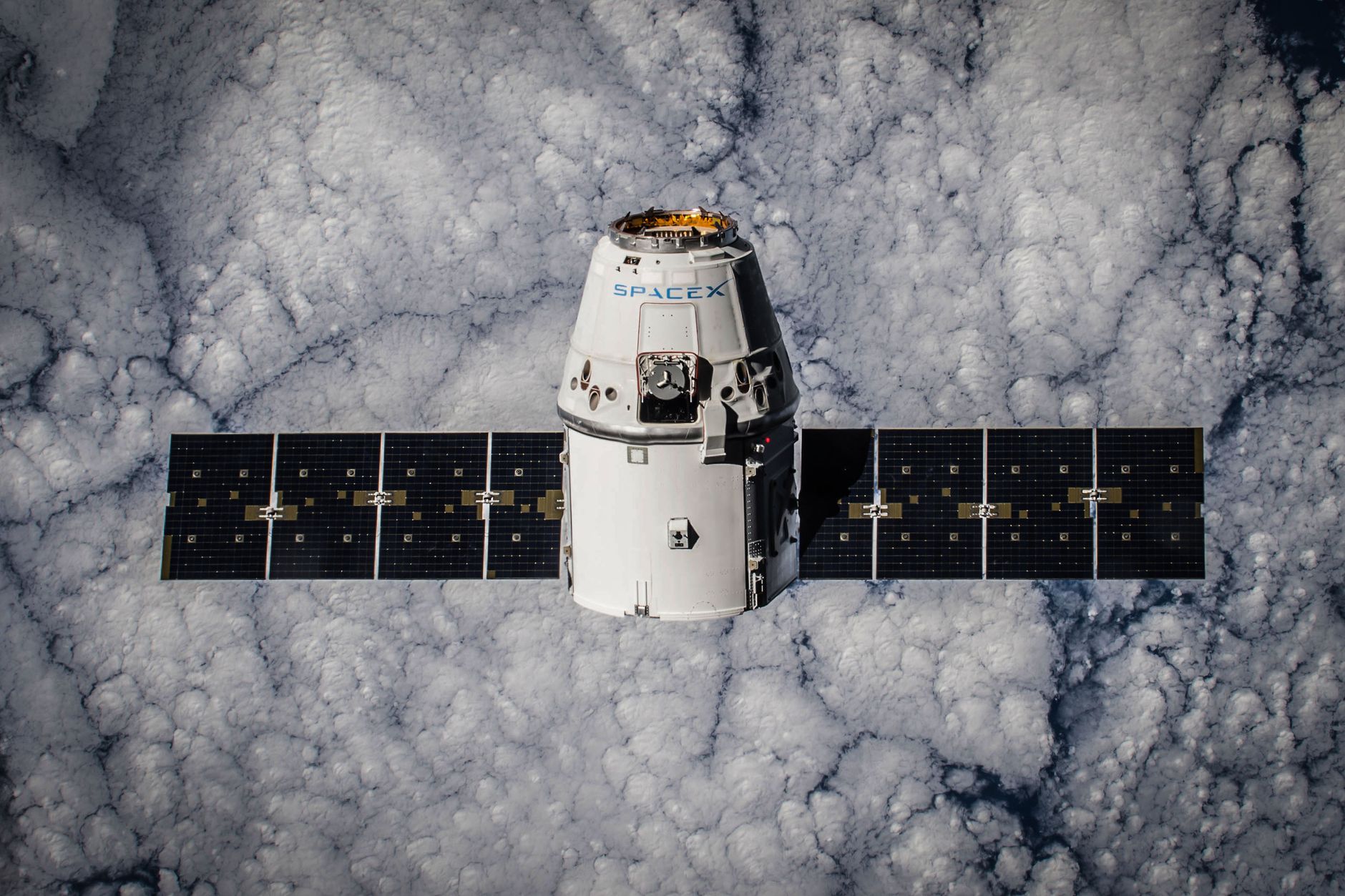
Photo by SpaceX on Pexels