









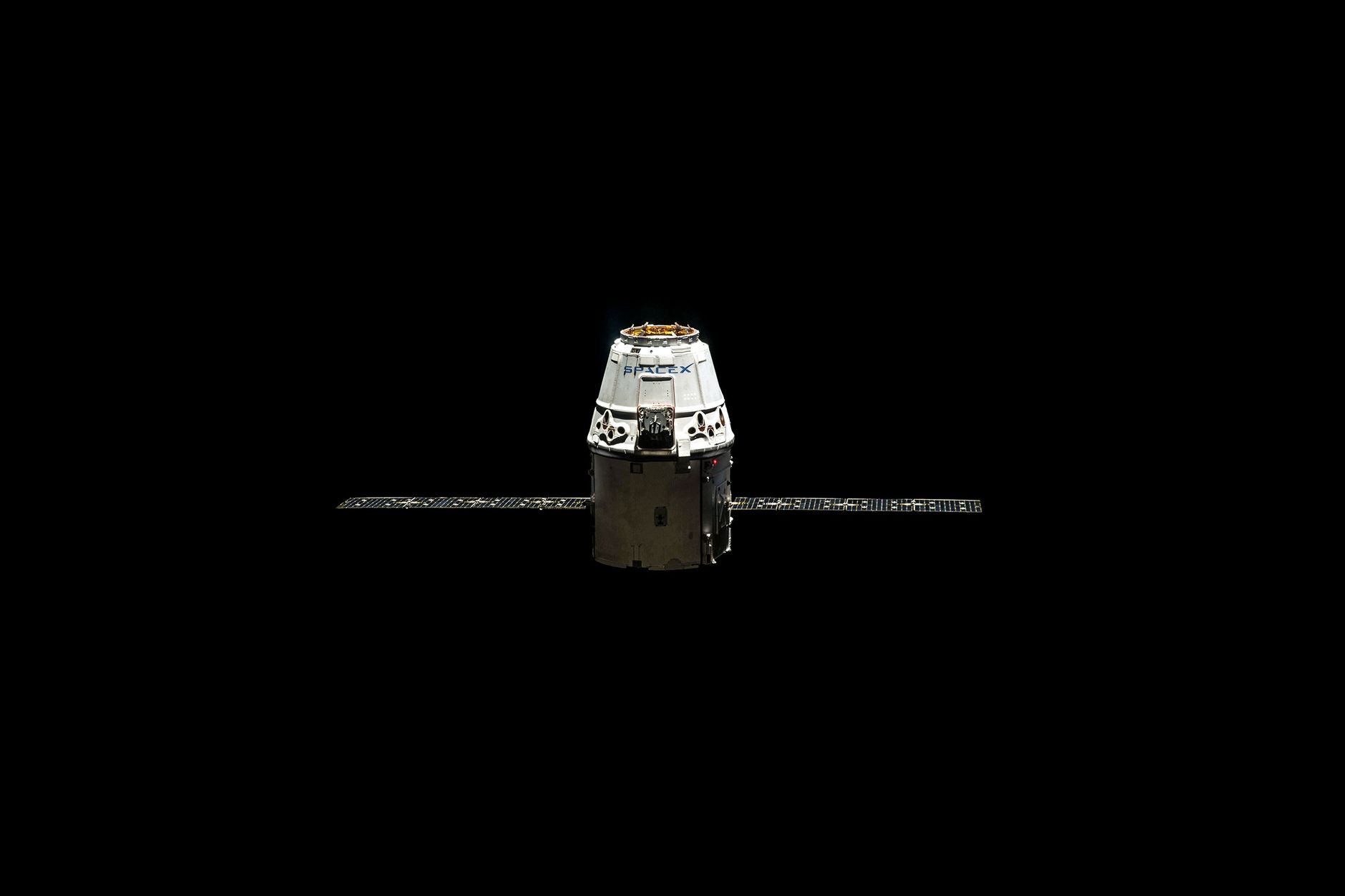
SpaceX Starship return has become a historic milestone, as the company successfully caught its spacecraft returning from orbit using launch tower arms. This groundbreaking achievement showcases advancements in aerospace technology.
Overview of SpaceX’s Achievement
In a groundbreaking achievement, SpaceX has successfully caught its Starship returning from orbit using the launch tower arms, marking a significant milestone in space exploration. This innovative method not only demonstrates the company’s engineering prowess but also sets a new standard for future spacecraft landings. The process involved the Starship descending through the atmosphere before being captured by the strategically designed arms of the launch tower.
The successful retrieval of the SpaceX Starship highlights the following key aspects:
- Efficiency: The technique reduces the need for traditional landing methods, potentially saving time and resources.
- Safety: By capturing the craft in a controlled environment, SpaceX minimizes risks associated with landing failures.
- Innovation: This approach showcases SpaceX’s commitment to pushing the boundaries of aerospace technology.
The success of this operation not only boosts SpaceX’s reputation but also paves the way for more ambitious missions, including crewed flights to Mars. With the SpaceX Starship return system proving effective, the future of reusable spacecraft looks promising.
How the Catching Mechanism Works
The SpaceX Starship return marked a significant milestone in space exploration, showcasing an innovative catching mechanism designed to safely recover spacecraft. This advanced system employs a series of articulated arms that extend from the launch tower to capture the descending Starship as it re-enters the Earth’s atmosphere.
Each component of the mechanism is engineered to withstand the intense forces generated during re-entry. The process begins with the Starship deploying its parachutes at optimal altitudes, slowing its descent. As it approaches the tower, sensors and cameras provide real-time data to guide the arms into position.
The arms are equipped with adaptive technologies that allow for precise adjustments based on wind conditions and the spacecraft’s trajectory. Once the Starship aligns with the arms, they close around the vehicle, securing it in place. This eliminates the need for traditional landing methods, reducing wear and tear on the spacecraft.
The successful implementation of this catching mechanism not only signifies a leap forward for SpaceX but also sets a precedent for future missions. By streamlining recovery processes, the company aims to make space travel more efficient and cost-effective.
Impact on Future Space Missions
The successful return of SpaceX’s Starship marks a significant milestone in the landscape of space exploration and technology. This achievement not only demonstrates the viability of the catching mechanism but also paves the way for future missions to the Moon, Mars, and beyond.
As the aerospace industry continues to evolve, the integration of innovative techniques like the Starship return method could revolutionize how spacecraft are recovered and reused. The implications of this technology extend to:
- Cost Efficiency: Reduced expenses associated with traditional recovery methods can allow for more frequent launches and missions.
- Environmental Considerations: Reusable spacecraft can minimize space debris and lower the environmental impact of launches.
- Mission Flexibility: Enhanced recovery systems could facilitate various mission profiles, including crewed and uncrewed missions.
Furthermore, the success of the SpaceX Starship return reinforces the importance of collaboration between private companies and government agencies. As more players enter the space race, advancements in technology will continue to emerge, propelling humanity further into the cosmos.
Challenges Faced During the Return
The successful return of the SpaceX Starship has not been without its challenges. Engineers and mission planners had to address numerous obstacles to ensure a safe landing. Wind conditions played a significant role, as gusts could jeopardize the spacecraft’s stability during descent.
Additionally, the heat shield technology had to withstand extreme temperatures as the Starship re-entered the Earth’s atmosphere. This required meticulous testing and validation to prevent any failure that could lead to catastrophic outcomes.
Another challenge involved the timing of the landing. Coordinating the descent trajectory with the launch tower’s catching mechanism was crucial. A slight miscalculation could result in the Starship missing its target. Engineers used advanced simulations to refine this process.
Moreover, the integration of the landing system with the launch pad required extensive modifications. The structure needed to be reinforced to handle the dynamic forces generated during the return.
Despite these hurdles, the SpaceX Starship return has demonstrated the company’s innovative capabilities and commitment to redefining space travel. This achievement not only showcases their engineering prowess but also sets the stage for future missions, paving the way for a new era in aerospace exploration.
Public Reaction to the Event
The recent success of SpaceX in catching the Starship during its return has generated significant public interest and excitement. Many space enthusiasts took to social media to express their admiration for the innovative technology that made this achievement possible.
Comments from the public highlighted the following reactions:
- Awe and Inspiration: Many viewers described the event as a historic moment in space exploration, with some expressing that it reignited their passion for science and technology.
- Support for SpaceX: Numerous individuals voiced their support for Elon Musk’s vision, emphasizing the potential for revolutionizing space travel and exploration.
- Concerns about Safety: While the overall reaction was positive, some critics raised concerns regarding the safety protocols involved in the catching mechanism, emphasizing the importance of thorough testing and analysis.
- Future Possibilities: Many people speculated about the implications of the SpaceX Starship return, discussing how this technology could lead to more efficient missions and reduced costs for future space endeavors.
Overall, the public’s reaction reflects a mix of enthusiasm and cautious optimism as the world watches SpaceX’s next steps in space exploration.
The recent SpaceX Starship return has demonstrated remarkable efficiency in capturing orbiting craft. As engineers analyze the data, the implications of the SpaceX Starship return could redefine future missions in space exploration.
Photo by Pixabay on Pexels