
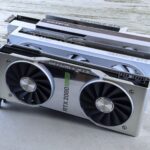






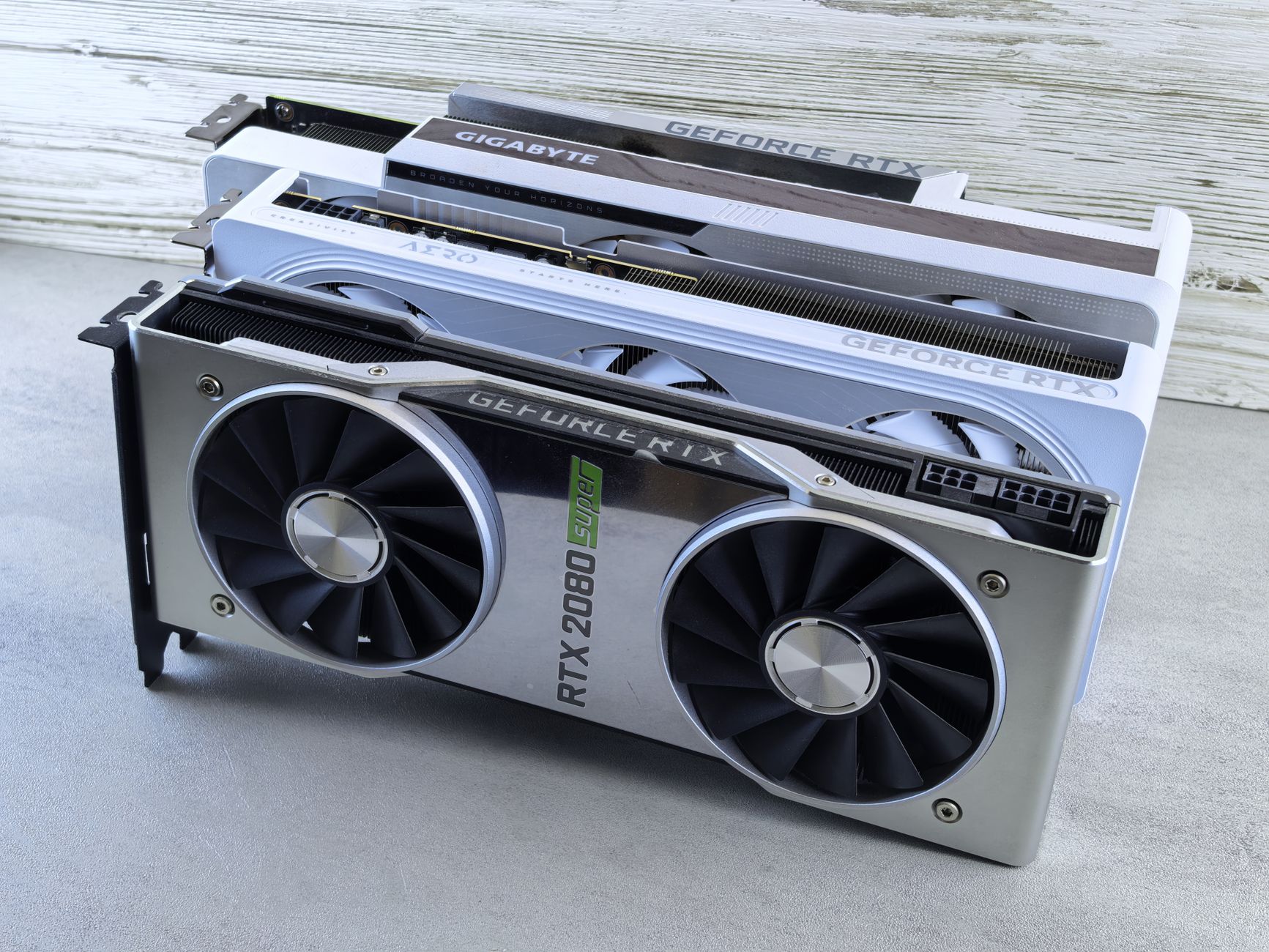
NVIDIA GPU rental prices have doubled, according to Interim CEO Kress. This alarming increase is attributed to significant supply commitments and the rising costs of memory chips.
Understanding the Price Surge
The recent surge in NVIDIA GPU rental prices has left many in the tech industry reeling. With an increase that has more than doubled in recent months, the implications of this rise are profound for businesses and enthusiasts alike. During a recent earnings call, Interim CEO Kress highlighted a staggering $390 billion in supply commitments, a figure largely influenced by the escalating costs of memory chips.
This unprecedented price hike is attributed to several key factors:
- Increased demand: The growing interest in artificial intelligence and machine learning has led to a greater need for powerful GPUs.
- Supply chain disruptions: Ongoing global supply chain issues have made it challenging for manufacturers to meet the rising demand.
- Rising component costs: The price of essential components, particularly memory chips, has skyrocketed, directly impacting rental prices.
As a result, companies looking to rent NVIDIA GPUs are facing a budgetary strain like never before. The implications for innovation and project timelines could be significant, as businesses reevaluate their strategies in light of these soaring rental costs.
Impact on AI Businesses
The recent surge in NVIDIA GPU rental prices has sent shockwaves through the AI business landscape. As companies strive to harness the power of artificial intelligence, the skyrocketing costs of essential hardware pose a significant challenge. Many AI startups, which rely heavily on GPU resources for their operations, are now facing a critical choice between scaling back their ambitions or absorbing the increased expenses.
Analysts have noted that this increase in rental prices is not just a temporary blip but rather a long-term trend driven by several factors:
- Increased Demand: The rapid growth of AI applications has led to unprecedented demand for high-performance GPUs.
- Supply Chain Issues: Ongoing global supply chain disruptions continue to impact the availability of key components.
- Investment in Technology: Major investments in AI technology have driven up competition for limited resources.
As a result, many AI businesses are now reevaluating their budgets and strategies, with some considering alternative solutions or even delaying projects until prices stabilize. The ripple effects of these rising NVIDIA GPU rental prices could reshape the industry for years to come.
Market Trends in GPU Rentals
The recent surge in NVIDIA GPU rental prices has sent shockwaves through the tech industry, raising concerns among businesses reliant on these powerful computing resources. Analysts have observed that the demand for GPUs, particularly in AI applications, is outpacing supply, contributing to unprecedented rental costs.
Several market trends have emerged that highlight this troubling dynamic:
- Increased Demand: The rise of AI technologies has led to a dramatic increase in demand for high-performance GPUs, straining the rental market.
- Supply Chain Issues: Ongoing supply chain disruptions have exacerbated the situation, causing delays and further driving up rental prices.
- Price Volatility: Companies are now facing fluctuating rental rates, making budgeting and financial planning increasingly difficult.
- Long-term Contracts: Many businesses are opting for long-term rental agreements to lock in prices, fearing further increases in NVIDIA GPU rental prices.
As the market adjusts to these realities, companies must navigate the challenges posed by soaring costs while striving to maintain operational efficiency.
CEO Kress’s Insights
In a recent statement, NVIDIA’s Interim CEO, Kress, shed light on the alarming rise in NVIDIA GPU rental prices, describing it as “the worst rise in history.” She emphasized that this unprecedented surge is largely driven by the escalating costs of memory chips, which have been a significant factor in supply chain disruptions.
Kress noted that NVIDIA has made substantial supply commitments, amounting to a staggering $390 billion. This figure highlights the company’s dedication to addressing the growing demand for high-performance computing resources, particularly in artificial intelligence and machine learning sectors.
According to Kress, the company is actively seeking solutions to stabilize rental prices and ensure accessibility for businesses relying on GPU technology. She stated:
- “We are aware of the challenges that rising costs pose to our customers.”
- “Our goal is to create a balance that fosters innovation while keeping services affordable.”
As the GPU rental market continues to evolve, Kress’s insights provide a glimpse into NVIDIA’s strategies for navigating these turbulent waters.
Future Projections for Rental Prices
As the demand for high-performance computing continues to grow, the future projections for NVIDIA GPU rental prices are becoming increasingly concerning for many businesses. Analysts predict that the upward trend in rental prices is likely to continue, driven by several key factors.
- Increased Demand for AI and Machine Learning: As companies invest heavily in artificial intelligence technologies, the need for powerful GPUs has skyrocketed, leading to higher rental costs.
- Supply Chain Constraints: Ongoing supply chain disruptions are affecting the availability of critical components, particularly memory chips, which are essential for GPU performance.
- Rising Operational Costs: As rental companies face increased costs for hardware and maintenance, these expenses are inevitably passed on to users in the form of higher prices.
- Intensifying Competition: While competition among rental services may seem beneficial, it can also lead to price hikes as companies try to recoup their investments and maintain profitability.
Considering these factors, businesses looking to rent NVIDIA GPUs may need to prepare for continued price increases in the near future.
Comparative Analysis with Past Prices
In a striking contrast to previous years, the current NVIDIA GPU rental prices have surged to unprecedented levels, drawing comparisons to historical price trends. A detailed analysis reveals that rental costs have more than doubled since last year, marking one of the steepest increases in the industry.
To provide context, here are some notable figures from past years:
- 2019: Average rental price for NVIDIA GPUs hovered around $0.50 per hour.
- 2020: Prices increased slightly to approximately $0.75 per hour as demand began to rise.
- 2021: Continued growth led to an average rental price of $1.25 per hour.
- 2022: A significant spike brought prices to around $2.50 per hour.
- 2023: Current estimates suggest rental prices have now reached as high as $5.00 per hour.
This dramatic rise has implications not only for individual users but also for businesses relying heavily on GPUs for AI and machine learning applications. With the rise in costs, many are reevaluating their strategies and potential alternatives.
NVIDIA GPU rental prices have surged dramatically over the past year, leaving many users struggling to keep up with the escalating costs. As demand for high-performance computing continues to grow, NVIDIA GPU rental prices are expected to remain at unprecedented levels.
Photo by Andrey Matveev on Pexels