


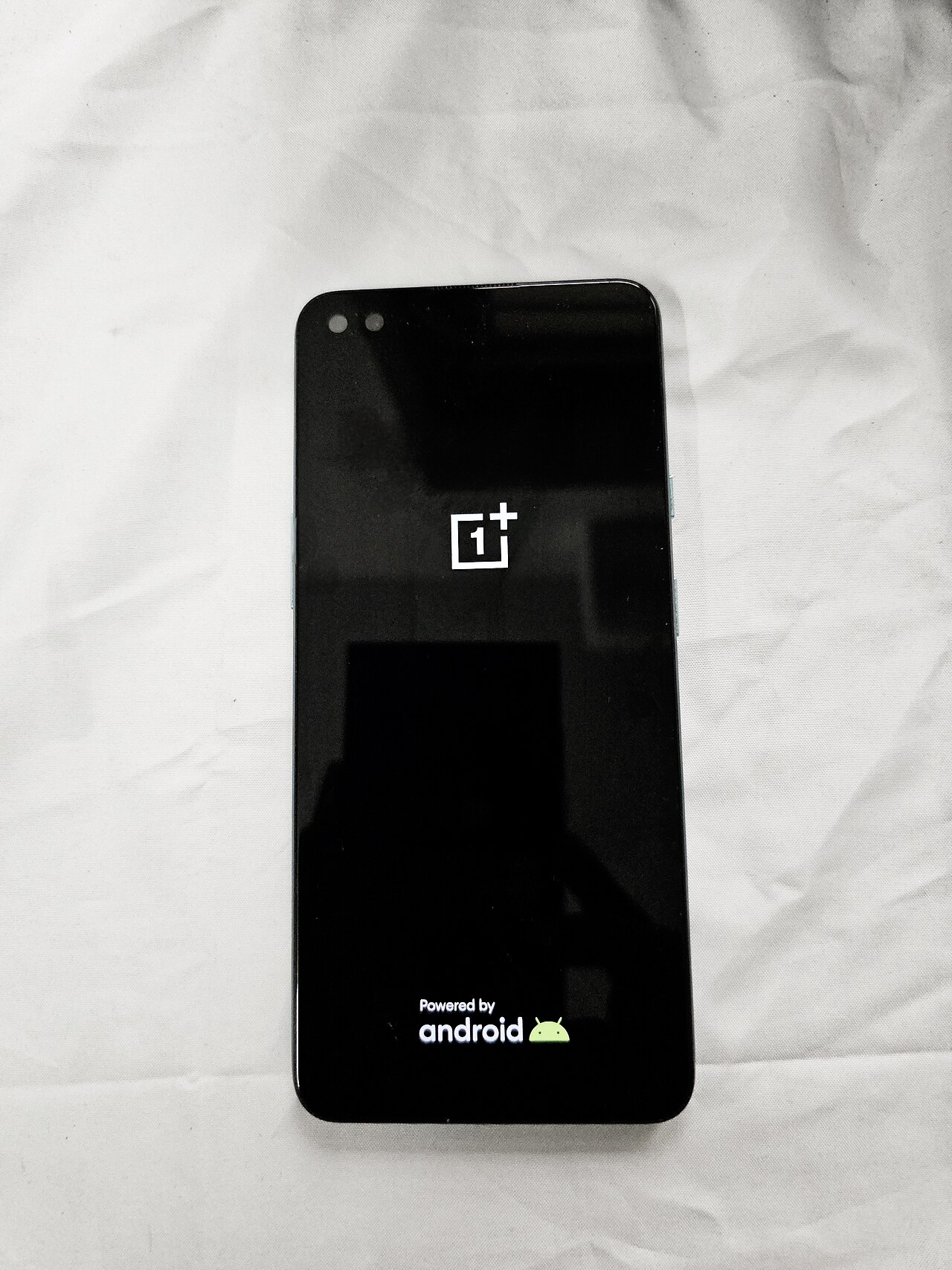
OnePlus price hike has been announced, with an 8% increase in smartphone prices affecting the Indian market. This decision comes as the overall smartphone market experiences a surge.
Overview of OnePlus Price Changes
The recent trend of price adjustments in the smartphone market has become a topic of significant discussion, particularly regarding the OnePlus price hike. While the company has managed to keep its price increases to around 8%, the overall surge in the Indian smartphone market averages an alarming 16%. This discrepancy raises concerns among consumers and industry analysts alike.
OnePlus, known for its premium devices at competitive prices, has faced the challenge of balancing profitability with customer satisfaction. As the cost of components and manufacturing continues to rise, many smartphone manufacturers find themselves compelled to raise prices. However, with the average increase in the market being nearly double that of OnePlus, it suggests that the brand is attempting to maintain its appeal amid fierce competition.
Consumers in India have begun to react to these changes, with many expressing discontent over the rising costs of their favorite devices. The situation has led to discussions about the sustainability of such price hikes in a price-sensitive market like India. Key points to consider include:
- The impact on consumer purchasing power.
- The potential loss of market share to competitors.
- Strategies OnePlus might employ to retain its customer base.
As the market evolves, it remains to be seen how OnePlus will navigate these challenges while keeping its loyal customers satisfied.
Impact on Indian Smartphone Market
The recent OnePlus price hike has raised concerns among consumers and industry experts alike, as it marks a significant shift in the competitive landscape of the Indian smartphone market. With an average price increase of 8% on OnePlus devices, this change comes at a time when the overall market has seen a staggering 16% surge in prices.
The implications of this price adjustment are multifaceted:
- Consumer Sentiment: Many loyal OnePlus fans may feel alienated as the brand they once associated with affordable premium smartphones becomes less accessible.
- Market Competition: Competing brands may capitalize on OnePlus’s price hike by positioning themselves as more affordable alternatives, potentially attracting customers looking for better value.
- Sales Performance: Analysts speculate that the increased prices could lead to a decline in sales volume, particularly among price-sensitive consumers in India.
- Brand Perception: OnePlus risks losing its reputation for offering high-quality devices at reasonable prices, which could have long-term effects on brand loyalty.
As the dust settles from this latest price adjustment, it remains to be seen how consumers will respond and whether OnePlus can maintain its market position amidst growing competition and rising costs.
Comparison with Competitors
The recent OnePlus price hike has raised concerns among consumers, especially when compared to competitors in the Indian smartphone market. While OnePlus has implemented an average increase of 8% on its devices, other brands have taken a more aggressive approach.
Many competitors have raised their prices significantly, with an overall market average surge of around 16%. This disparity highlights how OnePlus, traditionally known for its value-for-money offerings, is trying to balance its pricing strategy amid rising production costs.
Here are some competitors and their recent price adjustments:
- Xiaomi: Increased prices by approximately 15%, focusing on delivering high-end features at competitive rates.
- Samsung: Implemented a 20% price hike across its flagship models, aiming to maintain its premium positioning.
- Realme: Adjusted prices by 12%, positioning itself as a budget-friendly alternative with slightly higher specs.
- Vivo: Followed suit with a 14% increase, targeting youth-oriented features in its marketing.
Despite this, OnePlus’s strategy appears to be more cautious, which may appeal to its loyal customer base who value the brand’s reputation for quality. However, the price hike could challenge its competitive edge as more budget-conscious consumers explore alternatives.
Consumer Reactions to Price Hikes
In response to the recent OnePlus price hike, consumers have taken to social media platforms to express their frustrations and concerns. Many loyal customers who have followed the brand for years are now questioning the value they receive for the increased costs.
A significant number of users have pointed out that the 8% increase, while lower than the 16% average surge in the Indian smartphone market, still represents a considerable burden for budget-conscious consumers. Some have shared their disappointment over the lack of innovative features accompanying the price hike, suggesting that the latest models do not justify the additional expense.
- Affordability Concerns: Many consumers are now reconsidering their choices, with several stating that they might switch to more budget-friendly alternatives.
- Brand Loyalty Tested: Long-time fans of the OnePlus brand are expressing doubts about continuing to support a company that seems to prioritize profit over consumer satisfaction.
- Expectation vs. Reality: Customers expected cutting-edge technology and features with each new release, and the price hike has led to a feeling of unmet expectations.
As the market evolves, it remains to be seen how these reactions will shape the future of OnePlus in India, particularly as competitors continue to offer compelling alternatives at lower price points.
Future Trends in Smartphone Pricing
The recent OnePlus price hike has raised questions about future trends in smartphone pricing, particularly in the Indian market. As manufacturers continue to adjust their strategies in response to inflation and rising production costs, consumers may need to brace for more fluctuations in pricing.
Industry analysts suggest that we may see a few notable trends emerge:
- Increased Competition: As brands like Xiaomi and Samsung react to OnePlus’s pricing strategy, we may witness a shift in their pricing models. This could lead to aggressive pricing in an attempt to attract budget-conscious consumers.
- Shift Towards Mid-Range Devices: With flagship models becoming increasingly expensive, consumers might gravitate towards mid-range smartphones that offer competitive features at lower prices, potentially impacting higher-end sales.
- Value-Added Services: Companies may focus on enhancing customer experience through services rather than product pricing. Offering extended warranties or exclusive features could become a key differentiator.
- Focus on Sustainability: As environmental concerns rise, brands might integrate sustainable practices into their products, which could affect pricing and consumer expectations.
Ultimately, as the smartphone market evolves, the implications of the OnePlus price hike could resonate far beyond initial consumer reactions, shaping the future landscape of smartphone pricing in India.
Analysis of Market Surge
The recent OnePlus price hike has sparked significant discussion around its implications for the Indian market. As consumers grapple with increased costs, analysts have noted a concerning trend that could reshape purchasing behaviors. The market surge, which typically would be seen as an opportunity for growth, is now being overshadowed by the rising prices of established brands like OnePlus.
One of the primary challenges posed by the hike is the potential alienation of loyal customers who have come to expect a certain value proposition from the brand. With competitors maintaining lower prices, the pressure on OnePlus to justify its price increase becomes paramount. This situation has led to a split consumer base, with some willing to pay a premium for perceived quality, while others hunt for more budget-friendly alternatives.
Additionally, the landscape for Indian smartphones is rapidly evolving. A rise in local competitors offering similar features at lower price points is further complicating OnePlus’s market position. Analysts suggest that if OnePlus cannot recalibrate its pricing strategy effectively, it risks not only losing market share but also changing consumer perceptions of value in the premium smartphone segment.
As OnePlus navigates this challenging environment, the long-term effects of the price hike will be crucial in determining its future in the Indian smartphone market.
The recent OnePlus price hike has left many consumers in India feeling frustrated and disillusioned. With the OnePlus price hike, competitors may benefit as customers seek more affordable alternatives.
via Wikimedia Commons