









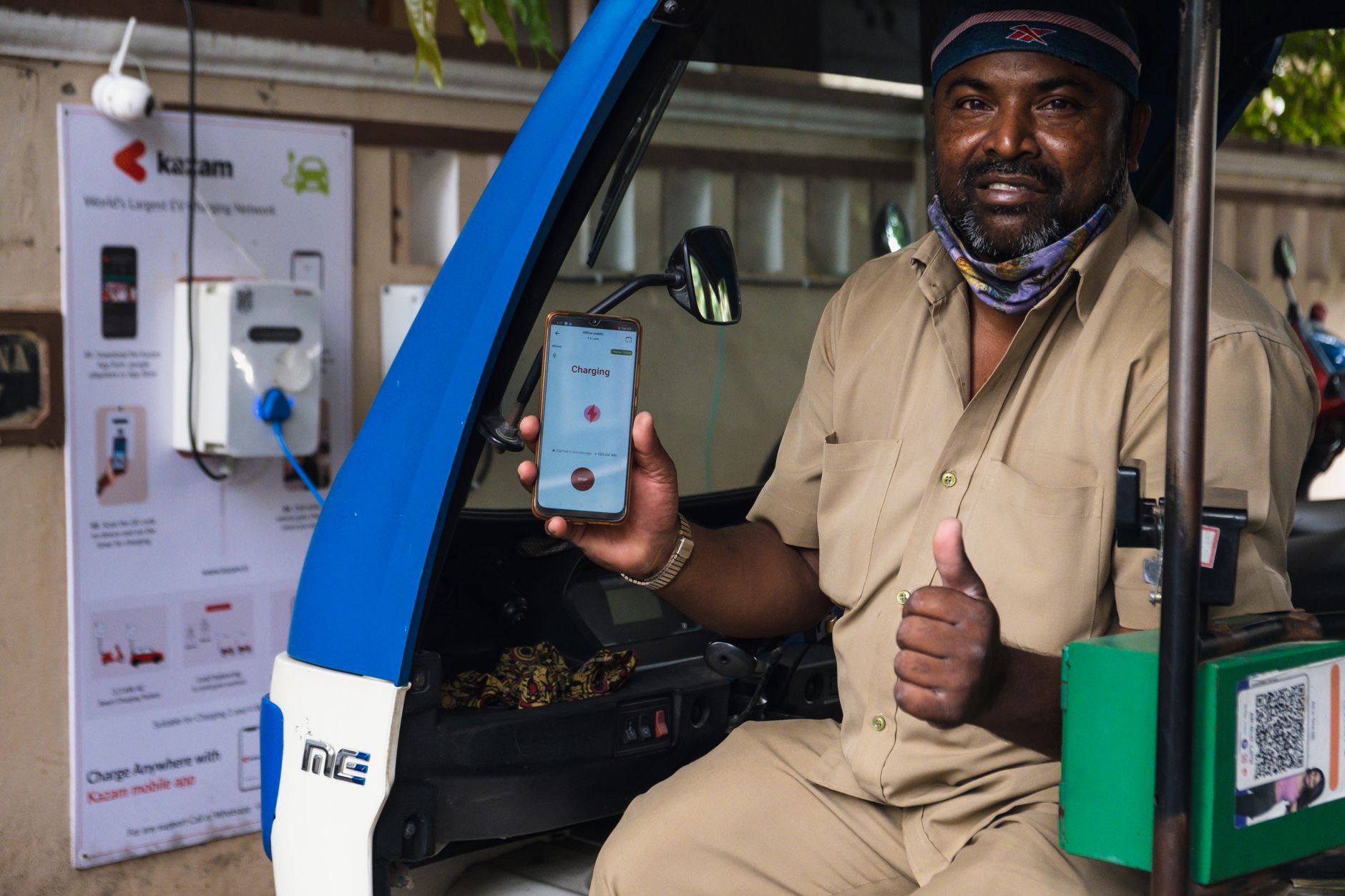
mobile recharge costs are a growing concern for customers. In a recent statement, Airtel’s chairman shared insights on the implications of these rising charges.
Understanding Mobile Recharge Costs
In recent discussions regarding mobile recharge costs, industry leaders have emphasized the importance of understanding the factors that contribute to pricing. The Chairman of Airtel recently highlighted several key aspects that consumers should consider when evaluating their mobile recharge options.
Firstly, it is essential to recognize that mobile recharge costs are influenced by:
- Network infrastructure: The investment in technology and coverage impacts pricing.
- Service quality: Higher costs often correlate with better customer service and connectivity.
- Market competition: Pricing can fluctuate based on the competitive landscape among providers.
- Usage patterns: Different plans cater to varying user needs, which can affect overall costs.
Moreover, the Chairman noted that consumers must weigh the value of their recharge plans against their actual usage. Understanding mobile recharge costs is crucial, as it allows users to make informed decisions that best suit their communication needs and budget. Ultimately, the goal is to find a balance between cost and quality to ensure a satisfactory mobile experience.
Airtel’s Chairman Weighs In
Airtel’s Chairman recently shared insights regarding mobile recharge costs, highlighting the evolving landscape of telecommunications. According to him, the pricing of mobile recharge is not just a reflection of market demands but also an essential aspect of service delivery. He emphasized that while costs may seem steep, they are necessary to maintain and improve the quality of network services.
In his statement, he pointed out several factors influencing mobile recharge costs:
- Infrastructure Investment: Significant investments are required to build and maintain robust network infrastructure.
- Technological Advancements: Upgrading technology to offer faster and more reliable services comes with increased expenses.
- Regulatory Compliance: Adhering to government regulations can also add to operational costs.
The Chairman concluded that consumers should view mobile recharge costs as a necessary investment in connectivity. He believes that as technology continues to advance, the value provided by mobile services will outweigh the expenses incurred by users.
Impact of Rising Costs on Customers
The rising mobile recharge costs have begun to significantly impact customers across the country. As prices continue to climb, many users are reevaluating their spending on mobile services, seeking more value for their money.
According to recent surveys, a large percentage of consumers feel that the current mobile recharge costs are no longer justifiable. They express concerns over the following:
- Budget Constraints: With monthly expenses rising, consumers are forced to cut down on discretionary spending, including mobile recharges.
- Service Quality: Many believe that the increase in costs is not accompanied by a noticeable improvement in service quality or data offerings.
- Competitive Alternatives: Customers are exploring alternative options, such as switching to other telecom providers that offer more competitive pricing.
As discussions surrounding mobile recharge costs continue, it remains crucial for telecom companies to address these concerns. Failing to do so may lead to a significant shift in customer loyalty, as users seek more affordable solutions that meet their needs.
Comparative Analysis of Telecom Providers
As consumers navigate the landscape of mobile recharge costs, a comparative analysis of telecom providers reveals significant differences in pricing structures and service offerings. Major players in the industry have adopted varying strategies to attract and retain customers.
Airtel continues to position itself as a premium provider, often justifying higher rates with superior network quality and customer service. Meanwhile, Jio has disrupted the market with competitive pricing, offering affordable recharge options that appeal to budget-conscious users.
Vodafone-Idea has also entered the fray with bundled services aimed at providing added value, but their pricing remains a point of contention among users who feel the overall costs are still too high.
As consumers weigh the pros and cons of each provider, it becomes apparent that while some may prioritize cost, others may be willing to pay a premium for enhanced services. Ultimately, the decision boils down to individual needs and preferences.
- Airtel: Premium pricing, quality service
- Jio: Affordable options, competitive market
- Vodafone-Idea: Bundled services, varying costs
Future Trends in Mobile Recharge Pricing
As the telecommunications landscape evolves, future trends in mobile recharge costs are becoming increasingly significant. Experts predict that pricing structures will undergo substantial changes influenced by technological advancements and consumer demand.
One prominent trend is the shift toward flexible payment options. Customers are increasingly seeking more personalized plans that cater to their usage patterns, which may lead to innovative pricing models. Telecom providers are likely to respond with plans that offer greater customization, potentially reducing overall mobile recharge costs for users.
Additionally, the integration of artificial intelligence and data analytics will enable companies to tailor their offerings more effectively. By analyzing customer behavior, providers can create targeted promotions that ensure users only pay for what they need, thereby enhancing overall customer satisfaction.
Moreover, the rise of 5G technology could lead to changes in pricing strategy, as companies might bundle data plans with additional services, such as streaming or gaming subscriptions. This approach could redefine the value proposition of mobile recharge costs, making them more appealing to a broader audience.
Photo by Kazam Charging Station on Pexels
Read the original
Related reading
AI adoption in India: Best Proven Strategies for Success · Carrotmaxxing and Shrimpmaxxing: The Smart Way to Tan · ISRO PSLV third stage: Proven upgrades after mission anomalies