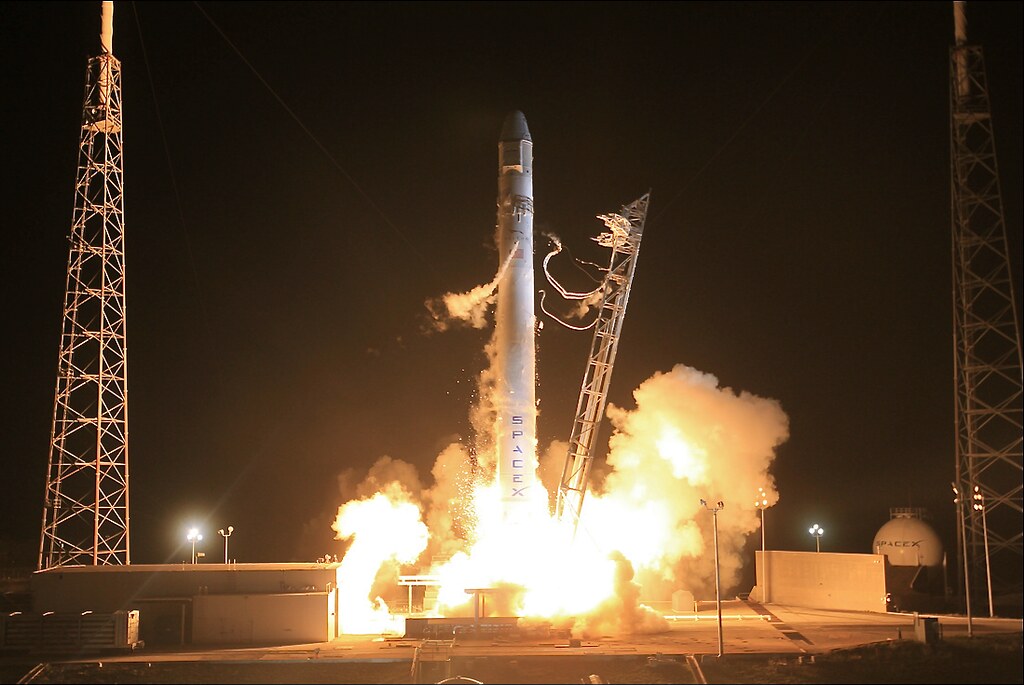



Amazon SpaceX launch is set to advance to December, marking a significant step in the deployment of LEO satellites. This move is expected to enhance connectivity and technology in space.
Overview of Amazon’s SpaceX Launch Plans
Amazon has announced a significant advancement in its plans to deploy satellites into low Earth orbit (LEO) through a partnership with SpaceX. The project aims to enhance global internet connectivity, particularly in underserved regions. With the launch scheduled for December, this collaboration marks a pivotal moment for Amazon as it seeks to establish its presence in the competitive satellite market.
The integration of Amazon’s technology with SpaceX’s launch capabilities is seen as a strategic move that can potentially reshape how satellite services are delivered. The deployment of these satellites is part of Amazon’s larger initiative, known as Project Kuiper, designed to provide high-speed internet access around the world.
Key aspects of the Amazon SpaceX launch include:
- Launch Schedule: The mission is set for December, aligning with Amazon’s aggressive timeline.
- Satellite Deployment: Initial launches will focus on establishing a reliable network of LEO satellites.
- Partnership Benefits: Leveraging SpaceX’s proven track record in rocket launches enhances the project’s feasibility.
As the countdown begins, many industry experts are closely monitoring the implications of this launch for the future of satellite communications.
Impact of LEO Satellites on Connectivity
The launch of Amazon’s satellites through SpaceX is poised to have a significant impact on global connectivity. With the increasing demand for high-speed internet, Low Earth Orbit (LEO) satellites have emerged as a powerful solution. These satellites provide several advantages over traditional geostationary satellites, particularly in terms of latency and coverage.
A key benefit of LEO satellites is their ability to deliver internet services to remote and underserved areas. This is crucial for bridging the digital divide, as millions of people still lack reliable internet access. By utilizing a network of LEO satellites, Amazon aims to offer seamless connectivity to users regardless of their location.
Moreover, the Amazon SpaceX launch signifies a competitive landscape in the satellite internet market. With industry giants like SpaceX already operational, Amazon’s entry could spur innovation and drive down costs. This competition may lead to improved services and expanded options for consumers.
However, challenges remain, including regulatory hurdles and concerns over space debris. As companies race to deploy their satellite constellations, a balanced approach will be essential to ensure sustainable growth in the space industry.
Timeline of Upcoming Space Missions
The timeline for upcoming space missions is crucial as companies like Amazon and SpaceX gear up for significant advancements in satellite technology. The following key dates highlight the upcoming launches and developments in the sector:
- December 2023: Amazon plans to collaborate with SpaceX for the launch of its first batch of LEO satellites. This mission aims to enhance global internet connectivity.
- January 2024: Following the initial launch, Amazon is expected to assess the performance of its satellites and make necessary adjustments based on real-time data.
- March 2024: SpaceX is scheduled to conduct additional launches to deploy more of Amazon’s satellite constellation, further expanding its coverage.
- Mid-2024: Amazon will begin beta testing its internet services, utilizing the LEO satellites to evaluate performance and user feedback.
- Late 2024: Full-scale rollout of Amazon’s satellite internet service, with expectations of widespread availability.
The Amazon SpaceX launch is poised to be a pivotal moment in the evolution of satellite communications, marking the beginning of a new era in connectivity.
Challenges Faced by Amazon and SpaceX
The recent announcement regarding the Amazon SpaceX launch has highlighted several challenges that both companies must navigate as they venture into the competitive landscape of satellite deployment.
One of the primary obstacles is the logistical complexity involved in coordinating multiple satellite launches. Each mission requires precise timing and an intricate understanding of orbital mechanics to ensure successful placement in low Earth orbit (LEO).
Additionally, regulatory hurdles pose a significant challenge. Both Amazon and SpaceX must comply with stringent guidelines set forth by various government agencies, including the Federal Aviation Administration (FAA) and the Federal Communications Commission (FCC). These regulations are designed to manage space traffic and minimize the risk of collisions in increasingly crowded orbits.
Moreover, the technological demands of launching and maintaining a large constellation of satellites cannot be underestimated. Ensuring that each satellite operates effectively and communicates seamlessly with ground stations is critical for delivering the promised connectivity enhancements.
Lastly, competition from other emerging satellite providers adds pressure to both Amazon and SpaceX as they strive to establish a foothold in the market. Addressing these challenges is crucial for the success of the Amazon SpaceX launch and its long-term impact on global connectivity.
Future of Satellite Technology in 2024
As we look toward 2024, the future of satellite technology is poised for significant transformation, especially with the anticipated Amazon SpaceX launch. This collaboration aims to enhance the capabilities of Low Earth Orbit (LEO) satellites, which are becoming increasingly vital for global communication and data transfer.
Experts predict that advancements in satellite technology will lead to:
- Improved Internet Access: With enhanced LEO satellite networks, remote areas could finally gain reliable internet connectivity.
- Increased Data Speed: The new technology promises faster data transmission, benefiting both businesses and consumers.
- Lower Costs: As competition grows, the cost of launching and maintaining satellites may decrease, making space more accessible.
- Innovative Applications: New use cases for satellite technology, including agriculture, disaster response, and urban planning, may emerge.
However, the success of these advancements relies heavily on the seamless execution of planned missions. The Amazon SpaceX launch is not just a step forward for these companies, but also a significant leap toward a more connected and technologically advanced future.
The Amazon SpaceX launch has sparked debates about its potential impact on the satellite industry. As companies scramble to adapt, the Amazon SpaceX launch could redefine how we think about global connectivity.
By jurvetson via Openverse
Read the original
Related reading
China-Pakistan space mission: A Proven Milestone in Cooperation · Hyperliquid Price Prediction: Smart Insights on HYPE’s Future · Nvidia driver SSD fix: Simple Proven Solution for Gamers