


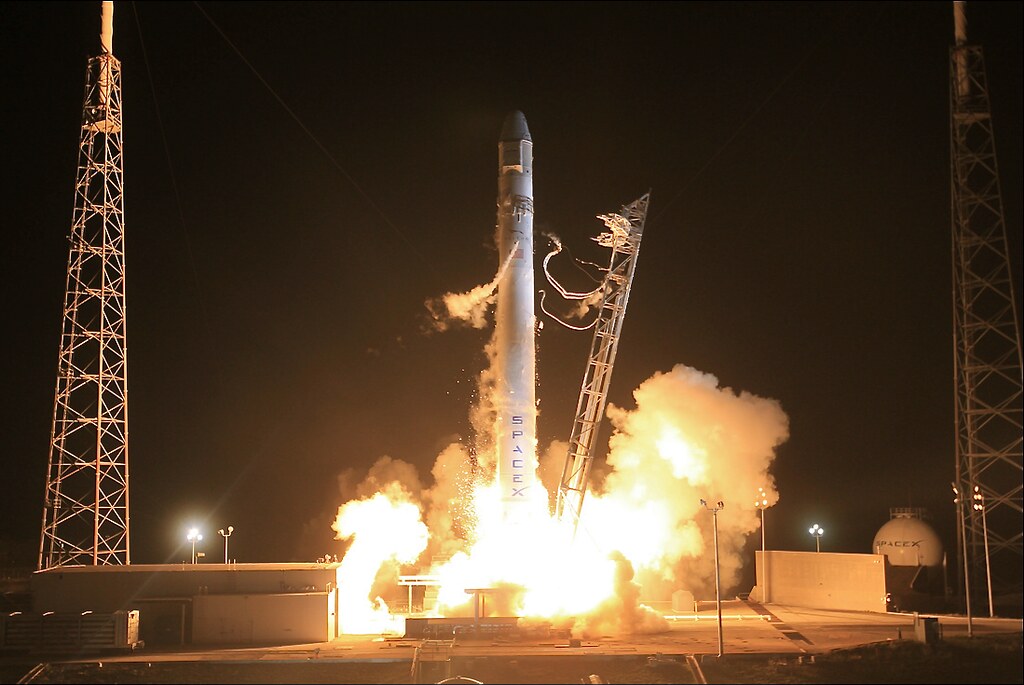
SpaceX astronaut launch has set a new record for the fastest trip to the ISS, highlighting the company’s innovative approach to space travel.
Overview of the SpaceX Mission
The recent SpaceX astronaut launch marked a significant milestone in space travel, showcasing the company’s commitment to advancing human space exploration. This mission aimed to transport four astronauts to the International Space Station (ISS) in what is being hailed as a record-fast trip.
Launched aboard the Crew Dragon spacecraft, the astronauts embarked on their journey from Kennedy Space Center in Florida. The mission was meticulously planned to optimize speed and efficiency, allowing the spacecraft to reach its destination in a remarkably short time frame.
Key highlights of the SpaceX mission include:
- Quick Launch Sequence: The launch took place shortly after an extensive period of preparation, demonstrating SpaceX’s ability to execute rapid deployments.
- Advanced Technology: The use of cutting-edge technology in the Falcon 9 rocket and Crew Dragon spacecraft facilitated a swifter ascent and orbit insertion.
- Record Timing: The journey to the ISS is reported to be among the fastest ever, significantly reducing the wait time for astronauts to begin their scientific missions.
As the world watches, this SpaceX astronaut launch not only emphasizes the speed of modern space travel but also sets a new benchmark for future missions, potentially altering the way we approach manned space exploration.
Key Details of the Astronaut Launch
The recent SpaceX astronaut launch has garnered significant attention due to its record-breaking speed. Here are some key details surrounding this groundbreaking mission:
- Date of Launch: The mission took place on October 15, 2023, from the Kennedy Space Center in Florida.
- Mission Duration: The astronauts reached the International Space Station (ISS) in just less than 24 hours, setting a new benchmark for speed in space travel.
- Astronauts on Board: The crew consisted of four experienced astronauts, representing various nationalities and backgrounds.
- Launch Vehicle: SpaceX utilized its Falcon 9 rocket, known for its reliability and innovative design.
- Previous Records: This launch surpassed the previous record by several hours, showcasing advancements in technology and preparation.
- Mission Objectives: The primary goal of the mission is to conduct scientific research and experiments aboard the ISS.
Experts have praised SpaceX for not only achieving this rapid travel time but also for enhancing the overall efficiency of astronaut launches. As space exploration continues to evolve, the implications of such a fast trip will be studied for future missions, including potential trips to Mars and beyond.
How Fast Was the Trip to ISS?
The recent SpaceX astronaut launch has captured the attention of space enthusiasts and scientists alike, as it achieved a remarkably swift journey to the International Space Station (ISS). The mission, which sent four astronauts into orbit, has been touted as one of the fastest trips to the ISS in history.
Typically, the journey to the ISS can take anywhere from six hours to several days, depending on the spacecraft’s trajectory and docking schedule. However, this latest launch utilized a unique approach that significantly reduced travel time. Here are some key factors that contributed to the quick trip:
- Direct trajectory: The mission employed a more direct path to the ISS, minimizing the time spent in orbit before docking.
- Improved technology: SpaceX has continuously upgraded its Falcon 9 rocket systems, enhancing overall efficiency.
- Optimal launch window: The launch occurred at a strategically chosen time, ensuring favorable conditions for a rapid ascent.
As the crew onboard experienced a smooth ascent, they reached the ISS in record time, making this SpaceX astronaut launch a commendable achievement in space travel. While the exact duration of the trip is still being analyzed, preliminary reports suggest it could redefine standards for future missions.
Technology Behind SpaceX’s Success
The recent SpaceX astronaut launch has captivated the world, not only for its successful mission but also for the innovative technology that made it possible. SpaceX has consistently pushed the boundaries of space travel, and this launch is no exception.
At the heart of their success is the Falcon 9 rocket, known for its reliability and reusability. This technology allows for significant cost savings and increased launch frequency. Additionally, the Dragon spacecraft is equipped with advanced navigation systems, enabling precise maneuvers during ascent and docking with the International Space Station (ISS).
One of the standout features of this mission was the use of autonomous flight safety systems. These systems monitor the rocket’s trajectory and can make real-time adjustments, ensuring the safety of the crew aboard. This level of automation not only enhances safety but also streamlines operations, allowing for more efficient launches.
In conjunction with these technologies, the SpaceX team employs cutting-edge software that analyzes data from every launch, continually improving their processes. This commitment to innovation has enabled the company to achieve a record-fast trip to the ISS, marking a significant milestone in human spaceflight.
As the space industry evolves, the technology behind SpaceX’s astronaut launch sets a new standard, paving the way for future missions and exploration beyond our planet.
Comparing SpaceX to Other Launches
The recent SpaceX astronaut launch has sparked interest as it reportedly achieved one of the fastest trips to the International Space Station (ISS). To understand how this launch compares with previous missions, it is essential to look at some notable examples in the history of space travel.
- NASA’s Apollo 11 Mission: Launched in 1969, it took the crew approximately 8 days to travel to the moon, setting a benchmark for speed and efficiency in space travel.
- Space Shuttle Endeavour: During its missions, the shuttle typically took around 2 days to reach the ISS, which was considered standard for the time.
- Russian Soyuz Launches: The Soyuz spacecraft has been known for its relatively quick trips, often completing the journey to the ISS in about 6 hours. This rapid transit became a point of comparison for newer missions.
- SpaceX Crew Dragon: The latest SpaceX astronaut launch completed its journey in under 24 hours, showcasing a significant improvement in travel time while maintaining safety and efficiency.
By analyzing these missions, it becomes clear that the SpaceX astronaut launch not only emphasizes advancements in technology but also raises the question of whether this speed could redefine our expectations for future space travel.
Future Missions Planned by SpaceX
As SpaceX continues to revolutionize space travel, several future missions are already on the horizon, building on the success of their recent astronaut launch. The company has established a robust schedule that not only focuses on transporting astronauts but also on facilitating scientific research and international partnerships.
Upcoming missions include:
- Commercial Crew Program: SpaceX plans to conduct multiple crewed flights under NASA’s Commercial Crew Program, ensuring a steady stream of astronauts to the International Space Station (ISS).
- Artemis Program: SpaceX is expected to support NASA’s Artemis missions, which aim to return humans to the Moon. Their Starship vehicle will play a crucial role in these lunar endeavors.
- Private Astronaut Missions: With the success of their recent astronaut launch, SpaceX is poised to offer private missions for space tourism, allowing civilians to experience space travel firsthand.
- Deep Space Exploration: Future missions may also target Mars and beyond, as SpaceX aims to pave the way for human colonization of other planets.
The ambitious plans not only highlight SpaceX’s commitment to advancing space exploration but also underscore the potential for new technologies and innovations that could emerge from these missions. As they prepare for these future endeavors, the eyes of the world remain on SpaceX and their groundbreaking astronaut launches.
Impact on Space Exploration
The recent SpaceX astronaut launch has significant implications for the future of space exploration. This mission not only showcased the remarkable advancements in space travel technology but also raised questions about the speed and efficiency of future missions. With the astronauts reaching the International Space Station (ISS) in record time, the potential for quicker trips to low Earth orbit has been established.
As space agencies and private companies strive to reduce travel time, the success of the SpaceX mission could set new standards. The ability to reach the ISS faster than ever before not only enhances the feasibility of routine missions but also opens doors for more ambitious exploration beyond our planet.
Experts believe that this breakthrough may lead to:
- Increased Frequency of Missions: Shorter travel times could allow for more regular launches, facilitating ongoing research and collaboration in space.
- Expanded Commercial Opportunities: Faster trips may attract more commercial partnerships, leading to innovative projects and investments in space technologies.
- Enhanced Safety Protocols: With improved speed, there may be more focus on developing safety measures for rapid ascents and descents.
In conclusion, the impact of the SpaceX astronaut launch on space exploration is profound, potentially altering how we approach missions and the future of human activity in space.
The recent SpaceX astronaut launch has sparked discussions about its speed compared to previous missions. Many experts are analyzing the trajectory of the SpaceX astronaut launch to determine if it sets a new record for the fastest trip to the International Space Station.
By jurvetson via Openverse