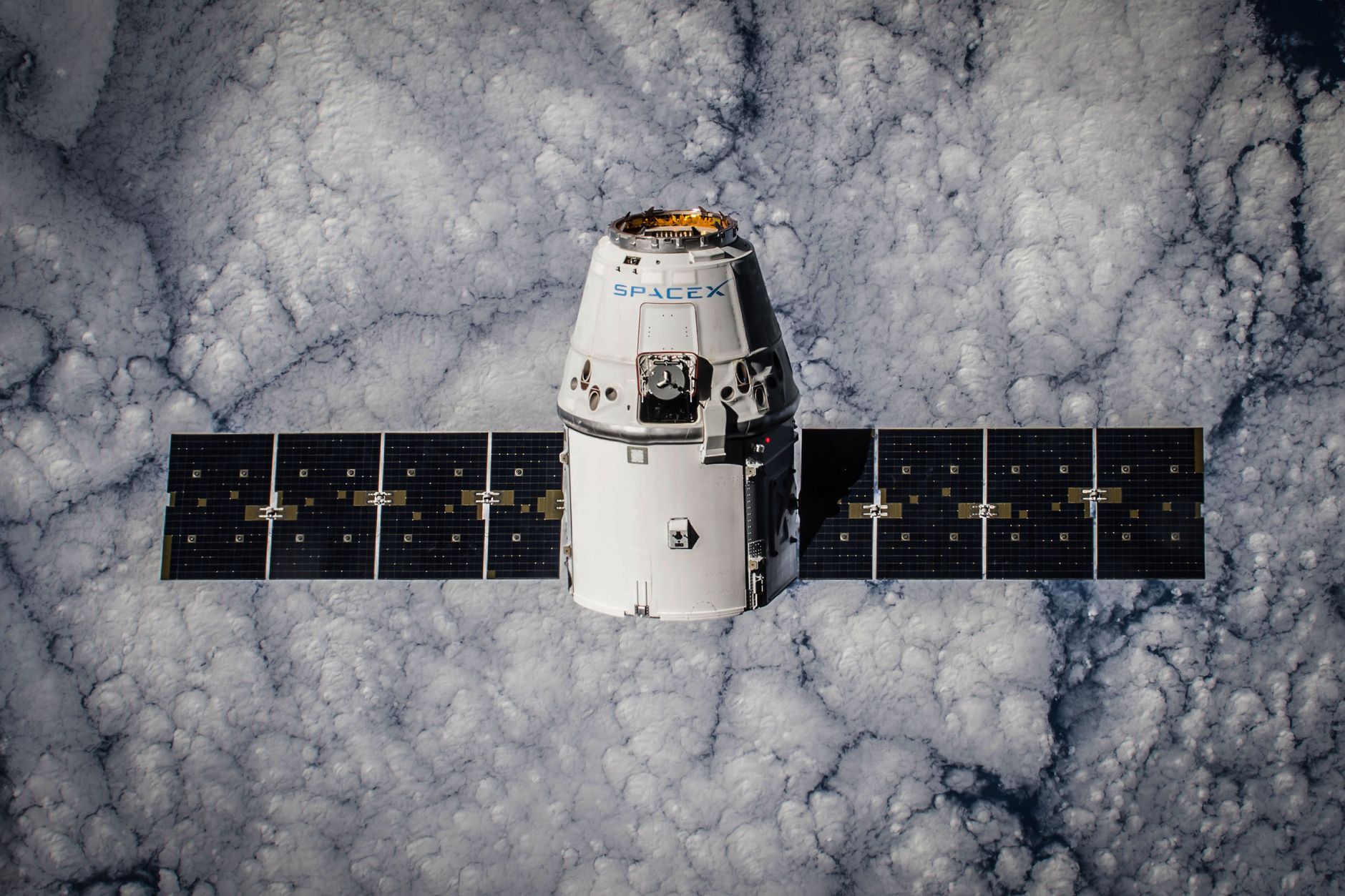



ISRO Navigation Mission aims to bolster India’s NavIC system with the recent launch of the NVS-03 satellite. This significant step promises advancements in navigation technology.
Overview of ISRO’s Navigation Mission
The Indian Space Research Organisation (ISRO) has recently launched the NVS-03 satellite as part of its ongoing efforts to enhance the NavIC system. This initiative, known as the ISRO Navigation Mission, aims to bolster India’s navigation capabilities through a network of satellites that provide accurate positioning services.
The NVS-03 satellite is equipped with advanced features that improve signal reliability and precision for users across the country and neighboring regions.
Key aspects of the ISRO Navigation Mission include:
- Improved Accuracy: The new satellite enhances the overall accuracy of NavIC services.
- Broader Coverage: The mission aims to extend the service area of NavIC, making it more accessible.
- Technological Advancements: The mission focuses on implementing cutting-edge technology in satellite navigation.
As India continues to develop its own navigation system, the ISRO Navigation Mission is seen as a crucial step towards achieving self-reliance in satellite-based navigation.
Significance of the NVS-03 Satellite
The launch of the NVS-03 satellite marks a significant milestone for ISRO’s Navigation Mission, enhancing the capabilities of India’s NavIC system. This satellite is designed to provide precise positioning services across the Indian subcontinent and surrounding regions.
The NVS-03 satellite carries advanced payloads that offer improved accuracy and reliability for various applications, including:
- Agriculture: Enabling farmers to optimize their crop yields through better land management.
- Transportation: Enhancing navigation systems for road, air, and maritime travel.
- Disaster Management: Assisting in timely responses and resource allocation during natural calamities.
By bolstering the NavIC network, the NVS-03 satellite not only strengthens India’s indigenous navigation capabilities but also positions ISRO’s Navigation Mission as a key player in global satellite navigation systems.
Impact on India’s NavIC System
The recent ISRO Navigation Mission, highlighted by the launch of the NVS-03 satellite, is poised to significantly impact India’s NavIC system. By enhancing the capabilities of this regional satellite navigation system, ISRO aims to provide more accurate positioning services across the country and neighboring regions.
The introduction of the NVS-03 satellite brings several improvements:
- Enhanced Accuracy: The satellite is designed to offer improved positioning accuracy, which is crucial for various applications, including transportation and mobile services.
- Increased Reliability: With the addition of this satellite, the resilience of the NavIC system is expected to grow, ensuring continuous service even in adverse conditions.
- Broader Coverage: The new satellite expands the operational coverage of NavIC, allowing it to serve a wider user base both in urban and rural areas.
Overall, the ISRO Navigation Mission is a strategic step towards solidifying the importance and utility of India’s NavIC system in global navigation initiatives.
Future of Navigation Technology in India
The future of navigation technology in India looks promising with the recent advancements brought by the ISRO Navigation Mission. As the nation continues to enhance its indigenous navigation capabilities, several key factors are expected to shape its trajectory.
Firstly, the integration of the NVS-03 satellite into the NavIC system will significantly improve accuracy and reliability for users across various sectors, including transportation, agriculture, and disaster management. Additionally, the expansion of ground stations will ensure better signal coverage throughout the country.
Moreover, ongoing collaborations between ISRO and private companies are likely to foster innovation and create a robust ecosystem for navigation technology. This can lead to the development of more sophisticated applications that leverage the capabilities of NavIC.
As India embraces these advancements, the ISRO Navigation Mission may indeed become a cornerstone in strengthening its position in global navigation satellite systems.
Challenges Faced by ISRO
The ISRO Navigation Mission has encountered several challenges that could impact the success of the initiative. One significant hurdle is the competition from global navigation systems, such as GPS, which are already well-established and widely used. This presents a challenge for the Indian Regional Navigation Satellite System (NavIC) to gain international acceptance and recognition.
Additionally, the technological complexities involved in launching and maintaining satellite systems can pose risks. Issues such as satellite reliability, signal accuracy, and potential interference are crucial for the effectiveness of NavIC. Furthermore, ISRO must ensure that the infrastructure supports the growing demand for precise navigation services.
There is also the challenge of public awareness and adoption of NavIC technology among users and industries in India. Educating stakeholders about the benefits of the ISRO Navigation Mission is essential to foster usage and trust in this homegrown system.
Public Response to the Launch
The recent launch of the NVS-03 satellite under the ISRO Navigation Mission has garnered significant public interest across the nation. Many citizens have taken to social media to express their enthusiasm and support for the advancement of India’s homegrown navigation system, NavIC. The launch is seen as a crucial step in enhancing the capabilities of NavIC, which is designed to provide accurate positioning services to users in India and surrounding regions.
Among the responses, several individuals praised ISRO’s commitment to self-reliance in technology, emphasizing the importance of a strong navigation system for various sectors, including transportation, agriculture, and disaster management. Others have highlighted the potential economic benefits of a robust NavIC system, which could reduce dependence on foreign navigation services.
Overall, the public reaction reflects a growing pride in India’s technological advancements and a hopeful outlook on the future of the ISRO Navigation Mission.