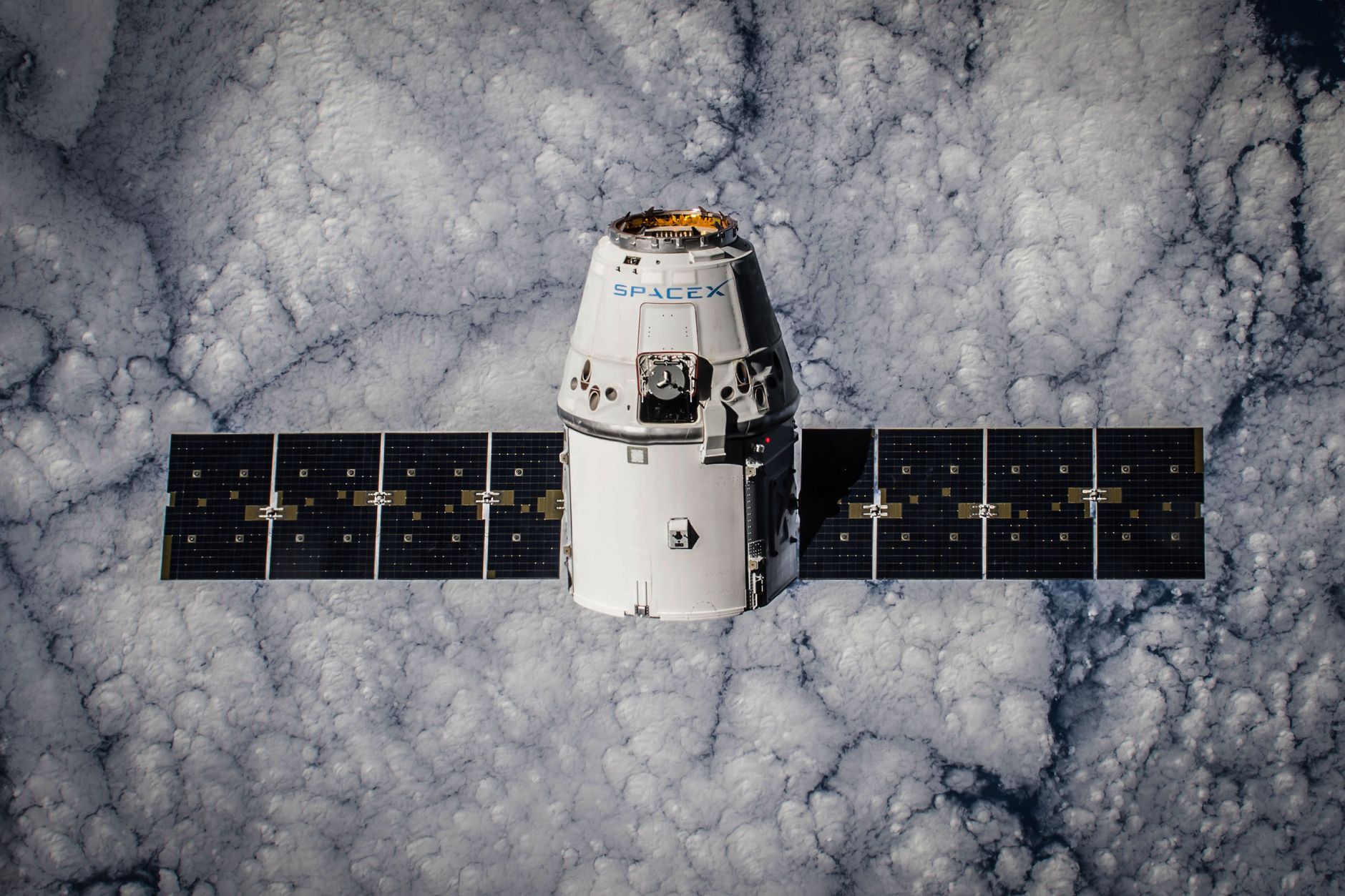




The ISRO NVS-03 launch successfully placed the next-gen navigation satellite in orbit, enhancing India’s NavIC system. This achievement showcases ISRO’s growing capabilities in space technology.
Overview of the ISRO NVS-03 Launch
The recent ISRO NVS-03 launch marks a significant milestone in India’s space endeavors, showcasing the nation’s advancements in satellite navigation technology. Successfully executed on the GSLV-F18 rocket, this mission emphasizes the commitment of the Indian Space Research Organisation (ISRO) to enhance the capabilities of the Navigation with Indian Constellation (NavIC) system.
Launched from the Satish Dhawan Space Centre, the NVS-03 satellite is equipped with cutting-edge technology designed to improve the accuracy and efficiency of navigation services across the region. This next-generation satellite will serve not only India but also neighboring countries, providing crucial positioning data for various applications.
The NVS-03 is a part of India’s broader strategy to develop a self-reliant navigation system, reducing dependence on foreign satellite systems. Following the successful placement of the satellite into orbit, ISRO has reaffirmed its dedication to further strengthening the NavIC network.
- Launch Date: [Insert Launch Date]
- Rocket Used: GSLV-F18
- Mission Objective: Enhance NavIC capabilities
Significance of NavIC in Navigation Technology
The significance of NavIC in navigation technology cannot be overstated, particularly following the successful ISRO NVS-03 launch. Developed by the Indian Space Research Organisation (ISRO), NavIC is a regional satellite navigation system that enhances accuracy and reliability for users in India and surrounding regions.
Unlike global systems, NavIC offers several advantages:
- High Accuracy: NavIC provides positioning accuracy of better than 20 meters, which is crucial for various applications such as transportation and agriculture.
- Independence: It allows India to have its own navigation system, reducing reliance on foreign systems like GPS.
- Robustness: The system is designed to work effectively even in adverse weather conditions and urban canyons.
- Wide Application: NavIC supports a range of sectors, including disaster management, surveying, and urban planning.
The successful ISRO NVS-03 launch marks a significant milestone in enhancing the capabilities of NavIC, demonstrating India’s growing prowess in space technology and serving as a vital asset for navigation and positioning services.
Technical Details of GSLV-F18 Rocket
The GSLV-F18 rocket, which successfully launched the ISRO NVS-03 satellite, is a significant advancement in India’s space capabilities. This launch marks a pivotal moment for the Indian Space Research Organisation (ISRO), showcasing the reliability and effectiveness of its launch vehicles.
Key technical details of the GSLV-F18 include:
- Launch Vehicle Configuration: The GSLV-F18 is a three-stage rocket, incorporating solid, liquid, and cryogenic propulsion systems, which enhance its payload capacity.
- Lift-off Weight: The rocket has a lift-off weight of approximately 415 tonnes, enabling it to carry heavier payloads into geosynchronous transfer orbit.
- Payload Capacity: GSLV-F18 can deliver payloads of up to 2,500 kilograms to geosynchronous orbit, making it suitable for advanced satellite missions, including the ISRO NVS-03 launch.
- Launch Site: The rocket was launched from the Satish Dhawan Space Centre, known for its advanced launch infrastructure.
The successful deployment of the NVS-03 satellite enhances the capabilities of NavIC, reinforcing India’s position in global navigation technologies.
Future Implications for Indian Space Missions
The successful launch of the ISRO NVS-03 has significant implications for the future of Indian space missions and navigation capabilities. With the deployment of this next-generation satellite, India enhances its position in global navigation technology, ensuring greater accuracy and reliability for users.
As NavIC continues to evolve, it opens up new opportunities for various sectors, including:
- Transportation: Enhanced navigation systems for vehicles, improving safety and efficiency.
- Agriculture: Precision farming through accurate location data, helping farmers optimize resources.
- Disaster Management: Improved tracking and response systems for natural disasters, saving lives and property.
- Telecommunications: Better network management and connectivity in remote areas through precise positioning data.
The ISRO NVS-03 launch not only strengthens the NavIC satellite constellation but also reinforces India’s commitment to advancing its space capabilities. As more satellites join the NavIC system, the potential for innovative applications will continue to grow, paving the way for a technologically empowered future.
International Impact of India’s Navigation System
The recent launch of the ISRO NVS-03 has significant international implications for India’s navigation system, NavIC. As countries around the world increasingly rely on satellite-based navigation, the successful deployment of NavIC enhances India’s position in the global navigation landscape.
NavIC, which stands for Navigation with Indian Constellation, is a regional satellite navigation system that provides accurate position information to users in India and the surrounding region. The launch of ISRO NVS-03 is a testament to India’s growing capabilities in space technology and its commitment to providing reliable navigation services.
With the increasing demand for navigation systems for various applications, including transportation, agriculture, and disaster management, NavIC’s role is becoming more critical. The successful integration of ISRO’s advanced satellite technology into global navigation frameworks opens up opportunities for international collaboration.
Moreover, the NVS-03 satellite is designed to be interoperable with other global navigation systems, further enhancing its utility. This international cooperation can boost trade and investment opportunities, positioning India as a key player in the global navigation systems market.
Conclusion on the Success of ISRO NVS-03
The successful launch of the ISRO NVS-03 marks a significant milestone in India’s navigation capabilities, reinforcing the effectiveness and reliability of the NavIC system. This mission demonstrates ISRO’s commitment to advancing space technology and providing robust navigation solutions that are essential for various applications, including transportation, disaster management, and telecommunications.
With the GSLV-F18 successfully placing the NVS-03 satellite into orbit, the potential for enhanced geographical positioning in both urban and rural areas is now more promising than ever. The addition of this satellite to the NavIC constellation not only strengthens India’s autonomous navigation system but also positions the country as a key player in the global navigation landscape.
Furthermore, the success of the ISRO NVS-03 launch showcases India’s growing expertise in space missions, paving the way for future advancements. As global reliance on navigation systems continues to increase, India’s ability to offer an indigenous solution will be pivotal in fostering international collaborations and ensuring secure, reliable navigation services for users both domestically and abroad.
The ISRO NVS-03 launch marks a significant milestone in the development of the NavIC satellite navigation system. With this successful deployment, the ISRO NVS-03 launch further solidifies India’s position in global satellite navigation technology.