




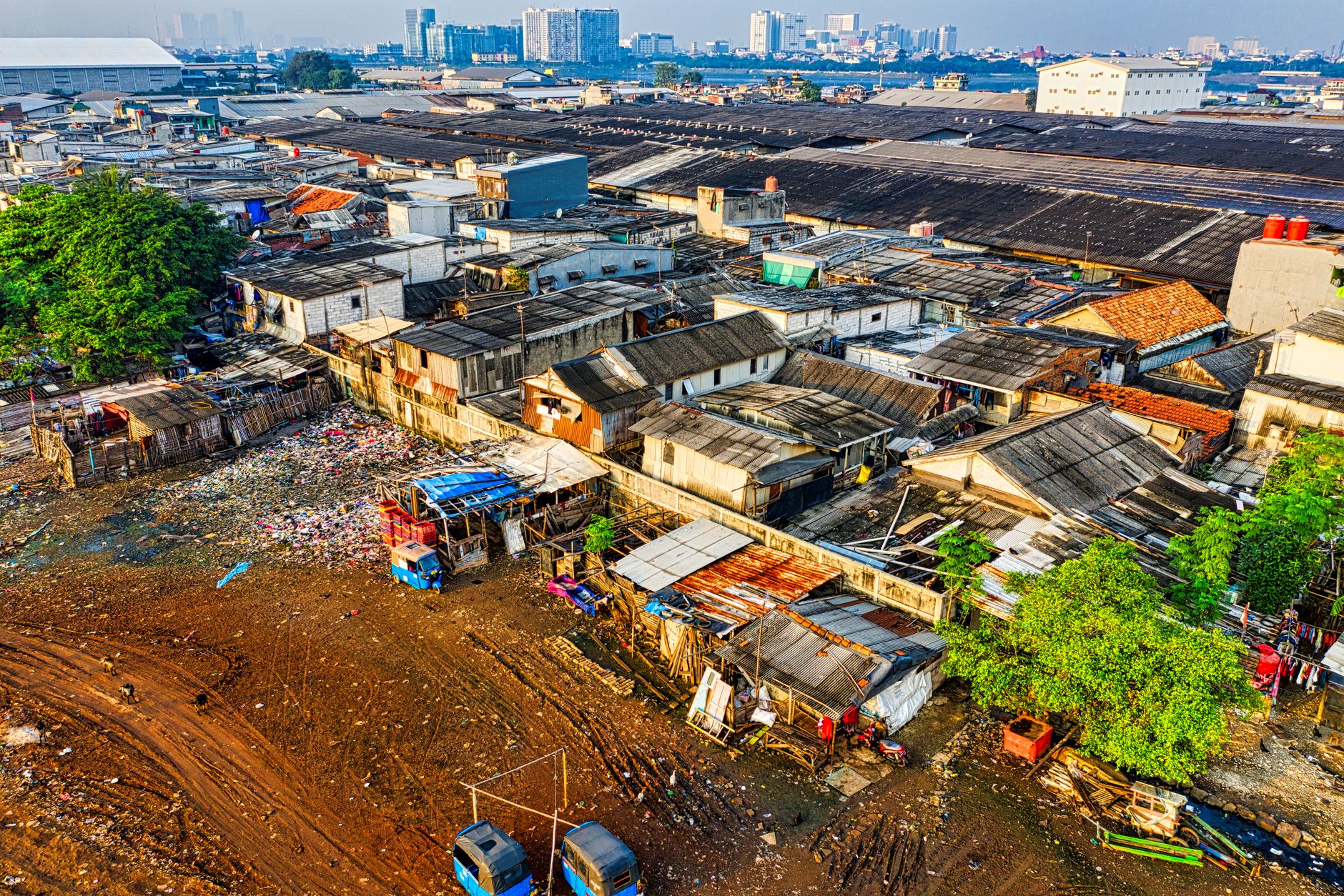
Global Housing Crisis is a pressing issue that India must address through innovative housing policies. This article explores the challenges and potential solutions.
Understanding the Global Housing Crisis
The Global Housing Crisis has emerged as a pressing concern affecting millions around the world, with India being no exception. This crisis is characterized by a dramatic increase in housing costs, limited availability of affordable housing, and the growing disparity between income levels and housing prices.
The factors contributing to this crisis are multifaceted:
- Urbanization: Rapid migration from rural to urban areas has led to increased demand for housing in cities.
- Income Inequality: The widening gap between the rich and the poor has made it challenging for many to afford decent housing.
- Speculative Investments: Real estate has become a target for investors, driving up prices and making homes unaffordable for average citizens.
- Regulatory Challenges: Inadequate policies and red tape often hinder the construction of new housing projects.
As the Global Housing Crisis continues to unfold, it is crucial for nations, especially India, to rethink and reform housing policies. By focusing on sustainable development and ensuring affordable housing options, governments can create a more equitable environment for all citizens.
Impact of Housing Policies in India
The impact of housing policies in India has profound implications for the ongoing Global Housing Crisis. As urbanization accelerates, the country faces mounting challenges in providing affordable housing for its growing population. Ineffective policies have often resulted in a mismatch between supply and demand, exacerbating the housing shortage.
Several key factors contribute to this situation:
- Regulatory Hurdles: Complex zoning laws and bureaucratic red tape hinder the development of new housing projects.
- Financial Accessibility: High interest rates and lack of affordable financing options make it difficult for low- and middle-income families to purchase homes.
- Urban Planning Deficiencies: Inadequate infrastructure and poor urban planning lead to informal settlements, which are often unsafe and lack basic amenities.
- Environmental Concerns: Rapid construction without environmental considerations has raised concerns about sustainability and long-term viability.
To address these challenges, India must rethink its housing policies, focusing on inclusivity and affordability. By learning from successful global initiatives, the nation can implement more effective strategies that not only alleviate the current housing crisis but also pave the way for sustainable urban development.
Global Housing Crisis: Lessons for India
The Global Housing Crisis has revealed significant challenges that many countries face in providing adequate housing for their citizens. India, as a rapidly developing nation, can learn valuable lessons from the international experience.
Several key factors stand out when examining the crisis worldwide:
- Affordability: Many cities have seen a steep increase in housing prices, making it unaffordable for lower-income families. India must prioritize affordable housing initiatives to prevent a similar situation.
- Urban Planning: Effective urban planning is essential to manage population growth and housing demand. Learning from successful international models can help Indian cities develop sustainable housing strategies.
- Public-Private Partnerships: Engaging private sectors in housing development has been a successful strategy in various countries. India could benefit from fostering collaborations that leverage both public and private resources.
- Regulatory Framework: Streamlining regulations and reducing bureaucratic hurdles can expedite housing projects, a critical lesson from nations that have navigated housing shortages effectively.
By applying these insights, India can address its own challenges within the context of the Global Housing Crisis and work towards a solution that ensures accessible and affordable housing for all citizens.
Innovative Solutions for Housing Challenges
The Global Housing Crisis has prompted countries to explore innovative solutions to address housing challenges. In India, several strategies are emerging that aim to alleviate the housing shortfall while maintaining sustainability.
One promising approach is the use of affordable housing projects, which prioritize cost-effective construction methods. These projects can significantly reduce the financial burden on low-income families, ensuring they have access to safe and secure living conditions.
Additionally, the integration of green building practices is gaining traction. By utilizing sustainable materials and energy-efficient designs, these homes not only reduce environmental impact but also lower utility costs for residents.
Furthermore, the government is exploring public-private partnerships to mobilize resources and expertise from both sectors. This collaboration can drive innovation and facilitate the development of housing solutions that meet diverse needs.
Finally, leveraging technology through smart housing solutions can optimize space and improve living conditions. From modular homes to digital platforms for housing services, technology offers a pathway to effectively tackle the challenges posed by the Global Housing Crisis.
These innovative strategies are crucial for shaping a resilient housing ecosystem in India, ensuring everyone has access to affordable and quality housing.
Future of Housing in India
The future of housing in India must be approached with innovative strategies that address the ongoing Global Housing Crisis. As urbanization accelerates and population densities rise, India faces unique challenges in meeting the housing needs of its citizens.
To navigate these complexities, several solutions can be considered:
- Affordable Housing Initiatives: Expanding government schemes that promote affordable housing can help bridge the gap for low-income families.
- Public-Private Partnerships: Collaborations between the government and private developers can mobilize resources and expertise for large-scale housing projects.
- Alternative Building Materials: Utilizing sustainable and cost-effective building materials can reduce construction costs while minimizing environmental impact.
- Location-Based Policies: Implementing policies that encourage housing development in underutilized areas can alleviate pressure on overcrowded urban centers.
- Community Involvement: Engaging local communities in the planning process ensures that housing solutions meet the specific needs of residents.
By exploring these strategies, India can pave the way for a sustainable and equitable housing future, effectively addressing the challenges posed by the global housing crisis.
Photo by Tom Fisk on Pexels