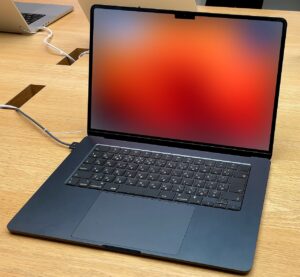


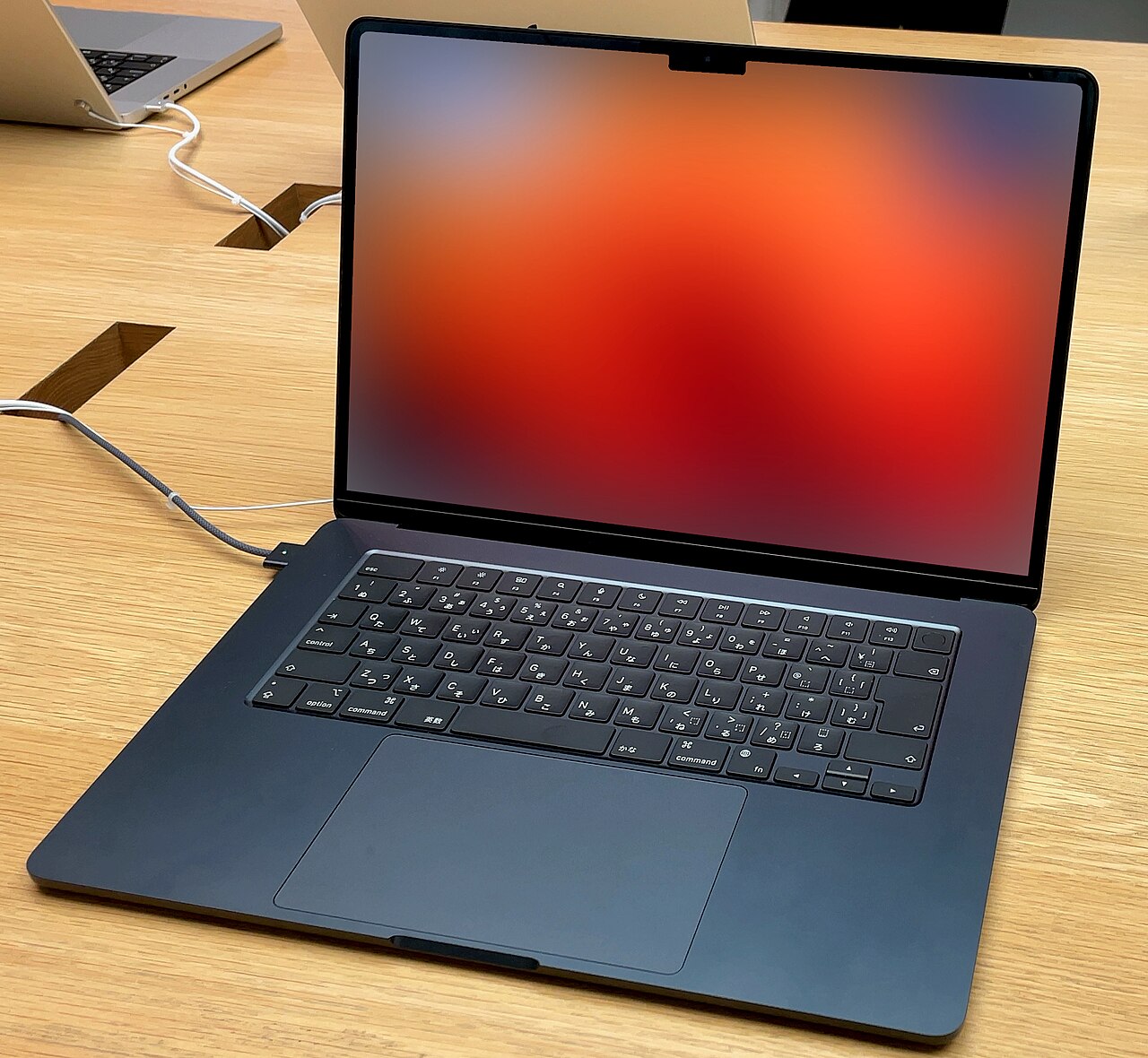
The next MacBook Air is expected to launch in early 2027, but it may not feature an OLED display. This news has sparked discussions among tech enthusiasts.
What We Know About the Next MacBook Air
As anticipation builds for the next MacBook Air, details are slowly emerging regarding its features and specifications. Scheduled for a potential launch in early 2027, this model is already sparking discussions among tech enthusiasts.
One of the most talked-about aspects is the absence of an OLED display, which many believe could be a significant drawback. Without this technology, users might miss out on enhanced color accuracy and deeper blacks, which have become a standard in modern laptops.
Here are some key points about the next MacBook Air:
- Display: The next MacBook Air is rumored to continue using traditional LCD technology.
- Performance: It is expected to feature Apple’s latest M-series chip, offering improved performance over previous models.
- Design: Speculations suggest a thinner and lighter design, maintaining the sleek aesthetics Apple is known for.
- Battery Life: Improvements in battery efficiency are anticipated, although the lack of an OLED display may impact overall visual experience.
While the next MacBook Air may still deliver impressive performance, the decision to forgo an OLED display has many wondering if it will fall short of user expectations.
Expected Features of the 2027 MacBook Air
As anticipation builds for the next MacBook Air, expected features for the 2027 model have begun to emerge. While the absence of an OLED display has been a significant point of contention, other enhancements are expected to maintain the device’s appeal.
Among the rumored features, users can look forward to:
- Improved Performance: The 2027 MacBook Air is likely to incorporate Apple’s latest M-series chip, promising faster processing and better energy efficiency.
- Enhanced Battery Life: Optimizations in battery technology may lead to longer usage times, making it ideal for on-the-go professionals.
- Lightweight Design: Continuing the trend of portability, the next model is expected to maintain its ultra-slim profile while possibly integrating new materials for durability.
- Updated Connectivity: Users can anticipate the inclusion of more Thunderbolt ports and improved Wi-Fi capabilities, ensuring faster data transfer and connectivity.
- Advanced Audio Features: Upgrades in speaker and microphone technology may enhance the multimedia experience for video calls and entertainment.
While the lack of an OLED display may disappoint some, the next MacBook Air aims to introduce significant innovations that cater to its dedicated user base.
Why No OLED Display Matters
The upcoming next MacBook Air has generated significant buzz, especially concerning its display technology. The absence of an OLED display in this new model raises several concerns among tech enthusiasts and potential buyers alike.
One of the primary reasons why no OLED display matters is the impact on color accuracy and vibrancy. OLED panels are known for their ability to produce deeper blacks and more vivid colors, offering a superior visual experience. Without this technology, users may find the display less engaging for tasks such as photo editing or video consumption.
Furthermore, OLED displays are generally more energy-efficient, which means that devices can achieve longer battery life. The next MacBook Air may not capitalize on this advantage, potentially leading to shorter usage times between charges.
Another significant aspect is the overall user experience. OLED technology allows for thinner and lighter designs, which is crucial for a portable laptop. The omission of this feature could result in a bulkier device that does not align with Apple’s reputation for sleekness and innovation.
In conclusion, the lack of an OLED display in the next MacBook Air could detract from its appeal, impacting both performance and user satisfaction.
Comparison with Previous MacBook Models
The upcoming next MacBook Air has sparked considerable discussion, especially in comparison to its predecessors. Notably, Apple has consistently pushed the envelope with each iteration, leading fans to expect significant upgrades. However, the absence of an OLED display in the next model raises questions about its overall appeal.
When examining the previous MacBook models, several key differences emerge:
- Display Quality: Older models featured Retina displays that, while impressive, lack the vibrancy and contrast ratios offered by OLED technology.
- Battery Life: The last few generations have benefited from improved battery efficiency, but without OLED, the next MacBook Air may not reach the same longevity.
- Color Accuracy: Professionals relying on accurate color reproduction may find the non-OLED displays less satisfactory compared to previous offerings.
- Visual Experience: The immersive experience provided by OLED’s deep blacks and bright colors will be noticeably absent, potentially disappointing users who enjoy media consumption on their devices.
Ultimately, while the next MacBook Air promises advancements, the lack of an OLED display could hinder its standing against previous models.
Release Timeline and Speculations
The release timeline for the next MacBook Air has become a topic of much speculation among tech enthusiasts and industry insiders. Initially expected to launch in late 2026, recent reports indicate that Apple may push the release to early 2027. This shift has led to a flurry of discussions regarding what consumers can anticipate.
Analysts have noted that the delay might be tied to supply chain issues and the ongoing development of key components. The absence of an OLED display in the next MacBook Air has raised questions about the device’s overall attractiveness to users. Many are concerned that without this sought-after feature, the new model may struggle to compete with rivals.
As the anticipated launch date approaches, Apple fans are eager for more details. Key features expected to make a debut include:
- Improved battery life
- Enhanced processing power
- Redesigned keyboard layout
- Updated graphics capabilities
Ultimately, the next MacBook Air’s release could redefine Apple’s position in the market, but the lack of an OLED display might leave some potential buyers disappointed.
Consumer Reactions to the News
Consumer reactions to the news of the next MacBook Air lacking an OLED display have sparked a lively discussion among tech enthusiasts and Apple fans alike. Many users express disappointment, as they had anticipated significant improvements in display technology with the upcoming model.
Some consumers took to social media to voice their thoughts, highlighting the following concerns:
- Compromised Visual Experience: Many believe that an OLED display is essential for vibrant colors and deeper blacks, which enhance overall usability.
- Comparison to Competing Brands: Users are comparing the next MacBook Air unfavorably to rival laptops that already feature OLED technology, which may give them an edge in the market.
- Innovation Stagnation: Some fans feel that Apple’s decision reflects a lack of innovation, especially when consumers expect more from a flagship product.
- Potential Impact on Sales: There are concerns that the absence of an OLED display could deter potential buyers, impacting the overall sales of the next MacBook Air.
As anticipation builds for the 2027 release, it remains to be seen how Apple will address these consumer sentiments.
Future of Apple’s Laptop Lineup
The future of Apple’s laptop lineup appears to be shifting as the tech giant continues to innovate while also facing criticism from loyal users. The next MacBook Air has generated considerable buzz, particularly around its anticipated features and design choices. However, the decision to forgo an OLED display has left many fans wondering about the overall direction of the product.
Traditionally known for their vibrant displays, Apple’s shift away from OLED could mean a compromise on visual quality. This decision raises questions about how the next MacBook Air will compete with other laptops in a market increasingly focused on high-definition screens. Many consumers feel that an OLED display would enhance their experience, especially for tasks that involve graphic design, video editing, or gaming.
Additionally, with Apple prioritizing efficiency and battery life, the absence of an OLED display may not align with user expectations. As Apple gears up for the launch, it is crucial for them to balance innovation with consumer demand. The anticipation surrounding the next MacBook Air will likely hinge on how Apple addresses these concerns and whether they can maintain their reputation for quality in an evolving tech landscape.
via Wikimedia Commons